

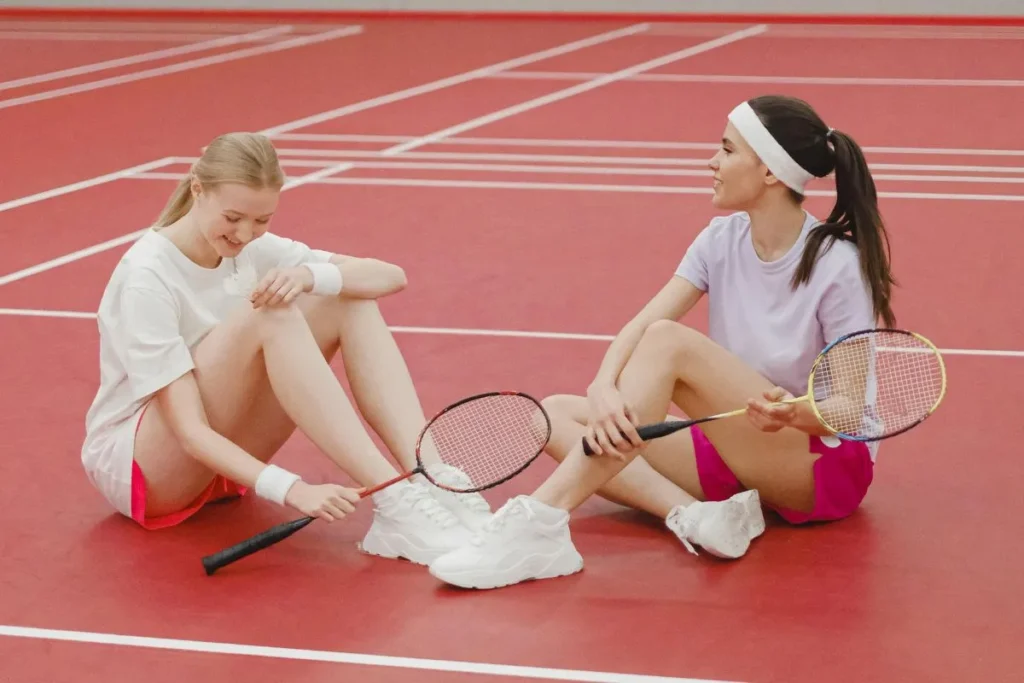
So you want to learn how to play badminton? Excellent choice. Among all popular sports, badminton stands out for being fun, fast-paced and easy for new players to pick up. You don’t need a large court, a full team or pricey gear to get started — all you need is a racket, a shuttlecock and a partner to play with.
Badminton has simple core rules. Two players compete in singles, while four players form teams for doubles. Players take turns hitting the shuttlecock over the net and aim to land it inside the opponent’s court. While it looks straightforward at first, the sport requires great speed, professional techniques and smart strategies. Professional badminton athletes are known for their agile movements, and intense rallies are common in formal games.
This complete guide is tailored for absolute beginners. We will cover every essential part of badminton: basic game rules for singles and doubles, standard scoring system, court layout, necessary equipment, racket holding methods, fundamental shots, practical footwork skills and common mistakes to avoid. Whether you play badminton for fun, daily exercise or skill improvement, this guide has everything you need. Let’s start learning the basics step by step.
Basic Badminton Rules for Singles & Doubles
Court Layout
A standard badminton court measures 44 feet (13.4 meters) in total length. The width differs for singles and doubles play: 17 feet (5.18 meters) for singles and 20 feet (6.1 meters) for doubles. The outer sidelines are valid for doubles, and inner sidelines apply to singles matches.
You will also see clear boundary lines on the court, including short service lines, a center line and back boundary lines. These lines define valid service areas and mark in/out zones. The net divides the court into two equal parts, with a center height of 5 feet (1.52 meters). A legal serve must fly over the net and land diagonally inside the opponent’s service box. For example, a serve from your right side needs to reach the opponent’s front-left service area.
Scoring System
Modern badminton uses a rally point system, which means one point is awarded in every rally, no matter which side serves. A player scores a point if the opponent hits the shuttle out of bounds, into the net or commits any fault.
A single game is played to 21 points, and a player or team must win by at least 2 clear points. If the score is tied at 29-29, the side that reaches 30 points first wins the game. A full match follows the best-of-three format. Players switch sides after each game. If the match goes to the deciding third game, both sides change ends again once one player or team scores 11 points, ensuring fair play under different lighting and court conditions.
Understanding court markings and scoring rules helps you play with more confidence and make better decisions during rallies. Next, let’s check the essential equipment for new players.
Essential Badminton Equipment for Beginners
You do not need lots of professional gear to start playing badminton, but choosing suitable equipment will greatly improve your comfort and performance on the court.
Badminton Racket
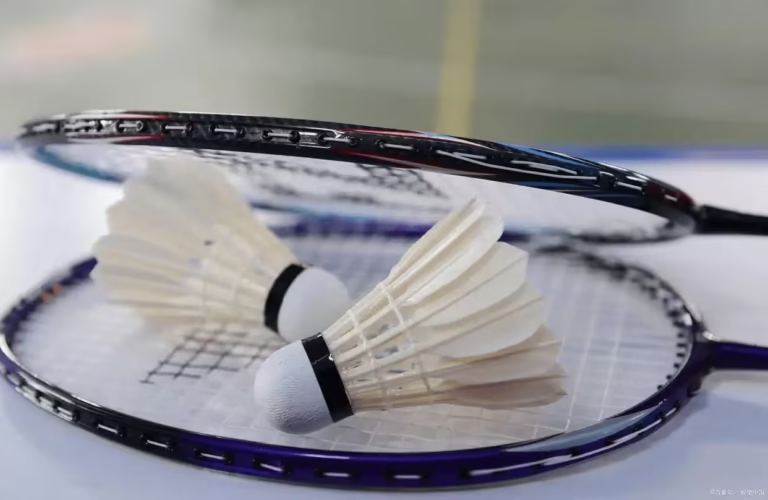
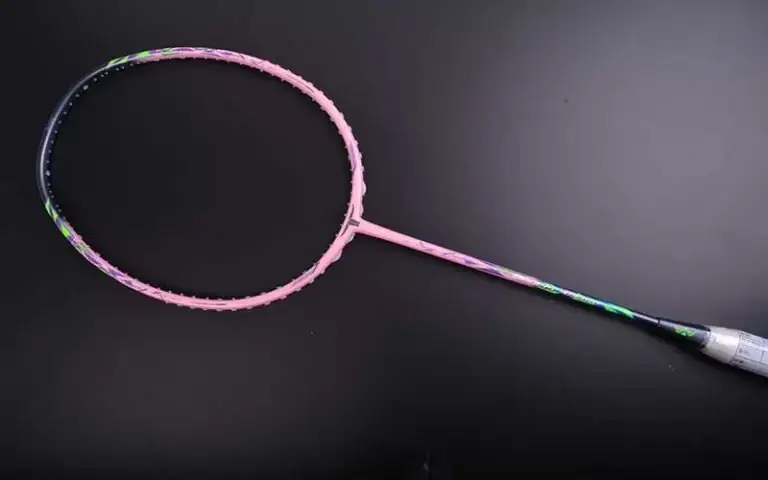
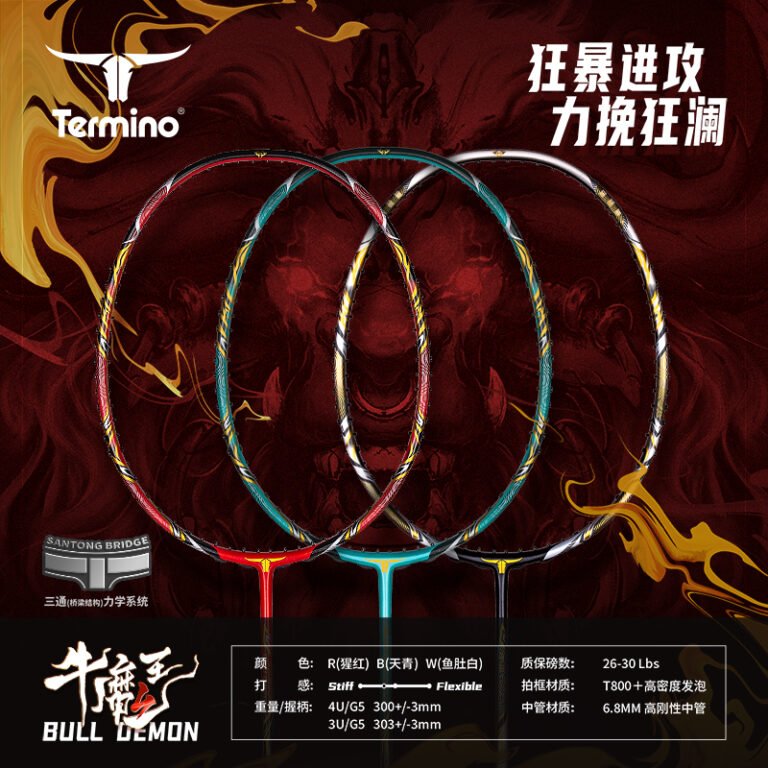
Badminton rackets are ultra-light, generally weighing between 80 and 100 grams, much lighter than tennis rackets. Beginners are recommended to choose rackets with a flexible shaft and isometric head. This design creates a larger sweet spot, helping you deliver stable hits even with minor aiming errors.
Shuttlecock
Commonly called a birdie, the shuttlecock has a unique cone shape with a cork or rubber base. It is divided into two main types: feather shuttlecocks and nylon shuttlecocks. Goose feather shuttlecocks offer precise flight performance and are used in professional games, yet they are easy to damage. Nylon shuttlecocks are durable and budget-friendly, perfect for casual play and daily practice for beginners.
Badminton Shoes
Never wear regular running shoes for badminton. This sport involves frequent quick stops, side-to-side movements and jumps. Professional badminton shoes are lightweight, feature strong grip and reliable ankle support. Choose shoes with non-marking soles, which are required for most indoor courts.
Optional Accessories
You can also prepare a racket grip for better control, moisture-wicking sportswear, a small towel and a water bottle to stay comfortable during play.
Quality equipment cannot turn you into a professional overnight, but it effectively optimizes your gaming experience and reduces muscle soreness after playing. After preparing all gear, let’s learn how to hold your racket correctly.
4 Fundamental Badminton Shots Every Beginner Should Master
Once you know the rules and get your gear ready, it’s time to practice basic shots. Mastering these core shots builds a solid foundation and makes your games more enjoyable and competitive.
1. Serve
Every rally starts with a serve, so mastering serving skills is critical. The key rule: you must hit the shuttle below your waist and send it diagonally into the opponent’s service box. There are two main serves for different scenarios:
Low serve: The shuttle just clears the net, preventing your opponent from launching a powerful smash.
High serve: Widely used in singles. It sends the shuttle deep to the backcourt and forces your opponent to stay away from the net.
Practice both serves and switch them flexibly during matches.
2. Clear
A clear is a high and deep shot that pushes your opponent to the back of the court. It works as a defensive skill when you need time to adjust your position or force your opponent to make weak returns. You can hit forehand clears on your dominant side and backhand clears on your non-dominant side. Though it is not a flashy move, you will use it frequently when under pressure.
3. Smash
The smash is the most aggressive and powerful shot in badminton, similar to a spike in volleyball. Swing your racket overhead with full strength and hit the shuttle downwards at high speed. A well-placed smash is extremely hard to return. Good timing and body positioning are vital for a perfect smash, so take time to practice patiently.
4. Drop Shot
The drop shot is the opposite of a smash — soft, gentle and deceptive. Pretend to hit a powerful shot, then tap the shuttle lightly so it lands just over the net. This shot catches opponents off guard, especially when they stand too far back. Use drop shots to disrupt your opponent’s rhythm and force them to move forward quickly.
Each shot has its unique purpose. Learning when to use them is as important as mastering the movements. Prioritize hitting consistently first, then work on shot placement and strategies. Combining different shots will make your play more unpredictable and effective.
Footwork, Positioning & How to Play a Rally or Match
Solid footwork and correct positioning are the keys to smooth play. After learning basic shots, you can start to practice real rallies and formal matches.
A rally refers to continuous shot exchanges after the serve. The rally ends when the shuttle lands on the ground, goes out of bounds or a fault occurs. Beginner-level rallies may be short at first, but your improved control and timing will make rallies longer and more exciting as you practice.
Follow serving rules strictly: the serve must travel diagonally into the opposite service box and be struck below the waist. Once the rally starts, both players keep hitting the shuttle over the net with clears, drop shots or smashes based on the situation. Try to mix your shots regularly — repeating the same moves will let your opponent predict your tactics easily.
For singles matches, serve from the right side when your score is even, and from the left side when your score is odd. The first player to reach 21 points wins the game with a 2-point lead. Matches adopt the best-of-three format. If the score is tied at 20-20, the game continues until one side leads by 2 points, with a maximum winning score of 30 points.
Always focus on positioning. Return to the center base position immediately after every shot to get ready for the next move. Observe your opponent’s movements and aim for their weak areas to gain advantages without relying solely on smashes.
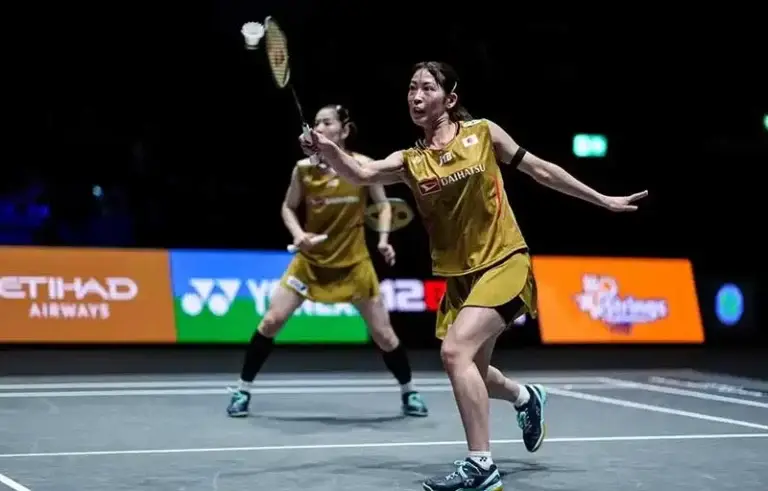
Teamwork plays a big role in doubles games. Communicate well with your partner, divide court coverage clearly and confirm who will take each shot. Doubles follows similar basic rules, with a wider court and slightly different serving rules.
The more rallies you play, the better your reflexes and shot selection will become. Do not fear mistakes in the early stage. Continuous practice and learning are the only ways to improve.
Common Mistakes New Badminton Players Need to Avoid
Learning a new sport always comes with small mistakes. Recognizing these typical errors helps you reduce frustration, avoid sports injuries and develop good playing habits faster.
Gripping the racket too tightly
A tight grip stiffens your wrists and slows down reaction speed. Hold the racket relaxed but steady, just like shaking hands with someone. A natural grip ensures better control and flexible wrist movements for drop shots and smashes.
Standing flat-footed
Standing on your heels makes you slow to react. Keep your weight on the balls of your feet and bend your knees slightly to stay ready for quick movements.
Neglecting footwork
Many beginners only focus on shot skills, while poor footwork leads to bad positioning and failed hits. Do not stretch your arm to reach the shuttle; move your whole body to get into a balanced hitting posture.
Over-relying on power shots
Trying to smash every shuttle will drain your energy quickly. Badminton emphasizes control and tactics more than brute force. Use clears and drop shots strategically, and save smashes for the right moments.
Forgetting to return to base position
After hitting a shot, do not stand still watching the shuttle. Always move back to the center of your court to cover both front and back areas efficiently.
Taking eyes off the shuttle
Keep your eyes fixed on the shuttle during fast rallies. Tracking the shuttle’s speed and direction helps you time your hits accurately.
Skipping warm-up exercises
Starting a match without warm-ups greatly increases the risk of injury. Spend a few minutes jogging, stretching and practicing empty swings to activate your body before playing.
Mistakes are part of the learning process. Fix these bad habits early, and you will make steady progress in badminton.
Practical Tips to Improve Your Skills & Enjoy the Game
You have mastered all the basic badminton knowledge. Use these useful tips to level up faster and have more fun on the court.
Practice with clear goals
Do not hit the shuttle aimlessly. Focus on 1 or 2 specific skills each time you practice, such as perfecting serves, polishing footwork or controlling drop shots. Small daily improvements will add up over time.
Learn from experienced players
Watch skilled players at local clubs or online. Study their movements, shot choices and court positioning, and apply useful strategies to your own play.
Play with more skilled opponents
Playing against better players is the fastest way to improve. They will push you to think faster, move smarter and sharpen your reflexes.
Stick to regular play
You do not need to train every day, but maintain a regular playing schedule. Playing once or twice a week builds stable muscle memory and improves coordination gradually. Consistency matters more than temporary perfection.
Keep the game fun
Do not be too obsessed with winning every rally. Laugh at small mistakes, celebrate every progress and enjoy the social and energetic atmosphere of badminton.
Progress in badminton takes time and patience. Stay curious, keep practicing and embrace the whole learning journey — you will be surprised by how much you can achieve.